This guide explains what a free roof inspection should cover, when to schedule one, and how to use the findings — it is not the booking page. To schedule the service in Sacramento, start on our roof inspection page.
A free roof inspection should leave you with useful answers: what is in good condition, what needs attention now, what can be watched, and what options make sense next. It is not simply a glance from the driveway or an automatic recommendation to replace a roof. For Sacramento homeowners, an inspection is a practical way to prepare for rain, evaluate a new stain, or understand an aging roof after a long hot summer.
When to Schedule a Free Inspection
Schedule an inspection when you see a ceiling stain, missing shingle, cracked tile, loose flashing, granules in gutters, or a change after wind. It is also sensible before winter rains, after a branch impact, when a roof is aging, or when you are planning a purchase, sale, or major exterior work. A roof can have a developing issue before water appears inside, and early findings may keep a localized repair from becoming a larger project.
Buyers and sellers often benefit from a roofer's view in addition to a general property review, especially on older roofs or roofs with prior patches. An aging system may still have useful life left, or it may be close to the point where repair becomes less practical. Either way, clearer documentation supports better decisions before escrow deadlines or winter weather.
Roofing Inspection Versus Home Inspection
A general home inspection reviews many systems throughout the property and often includes a high-level look at the roof. A dedicated roofing inspection focuses on the roofing system itself: materials, flashings, penetrations, drainage, and accessible signs of leaks or age-related failure. The two reports can complement each other, but they are not the same service. For roof concerns, a roofing-focused visit can provide more specific next steps than a short section in a full-house report.
What the Inspection Looks For
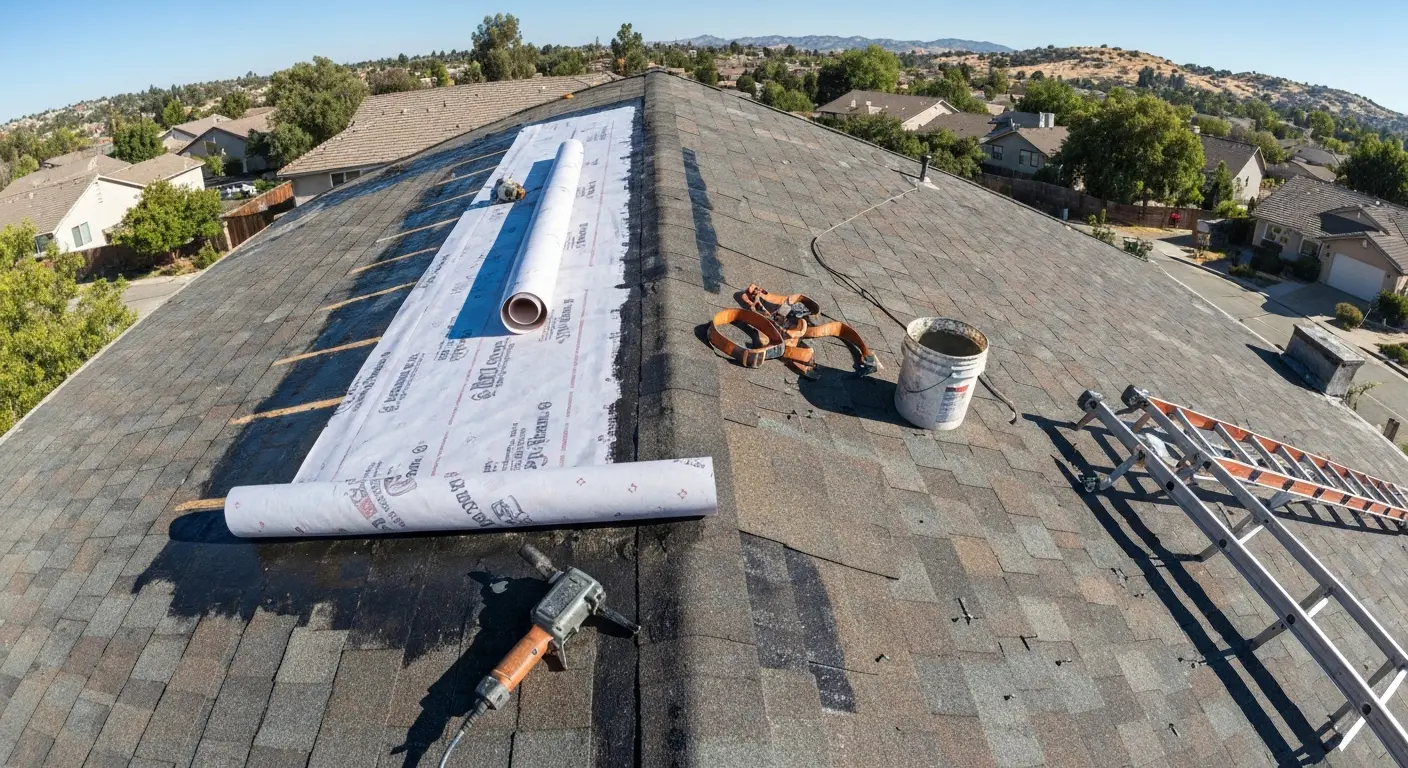
The inspection examines accessible, visible parts of the roof system. That usually includes the field material, shingles, tile, metal, or a low-slope surface, plus ridge areas, valleys, flashings, pipe boots, skylights, roof-to-wall transitions, gutters, and drainage. When safe and available, interior or attic clues such as moisture, staining, ventilation issues, or daylight can help identify the water path.
- Missing, lifted, cracked, curling, or deteriorated roofing material.
- Flashing and sealant at chimneys, vents, skylights, walls, and valleys.
- Debris, drainage, and gutter conditions that can direct water where it should not go.
- Attic moisture clues, soft or stained decking indicators, and ventilation concerns when accessible.
- Whether a focused roof repair is reasonable or a roof replacement conversation is warranted.
Attic, Gutters, and Decking Warning Signs
From the attic, look or ask about damp insulation, dark stains on sheathing, rusty fasteners, daylight through the roof deck, and musty odor. Outside, overflowing gutters, staining at fascia, and debris build-up in valleys can point to drainage problems that stress roof edges. Soft, cupped, or deteriorated decking discovered during repair planning is a stronger warning sign that a simple surface fix may not be enough.
Sacramento Conditions That Make Inspections Valuable
Our climate places different stresses on roofs over the year. Heat can accelerate aging in shingles and sealants. Wind can lift tabs and ridge materials. Winter rain exposes weak flashings and blocked valleys. Tile roofs can hide underlayment concerns beneath intact-looking tile. An inspection connects these local conditions to the roof you actually have rather than relying on a generic lifespan estimate.
What an Inspection Cannot Promise
No visual inspection can predict every future failure or see every concealed condition without access or invasive testing. Safe access, roof pitch, weather, material type, and the visibility of the affected area influence what can be observed. The value is a professional assessment of the available evidence and a clear explanation of uncertainty, not a blanket guarantee that a roof will never leak.
Repair, Maintenance, or Replacement?
A localized issue such as a failed pipe boot, small flashing defect, or limited wind damage may be repairable when surrounding materials are healthy. Broader problems, repeated leaks, widespread brittleness, extensive material loss, deteriorated underlayment, or soft decking, may make replacement more practical. You should be told why a recommendation is being made and what the alternatives are, not pressured to choose a scope before you understand the condition.
Prepare for the Appointment
You do not need to clean the roof or climb into the attic before an inspection. It helps to note when leaks occur, share photos from storms, identify prior repair locations, and make reasonable access to gates or attic entries available. Keep pets secured and move vehicles if access near the home is needed. Ask questions about the observed conditions, the urgency, and what maintenance can prevent recurrence.
Helpful Guides Before and After Inspection
Use our roof inspection checklist for ground-level observations, then read what happens during a roof inspection so you know what the visit covers. After wind or heavy rain, review roof inspection after a storm. If you are unsure whether the symptoms matter, signs you need a roof inspection explains which changes should not be ignored.
Use the Findings to Plan
An inspection is most useful when it leads to a practical plan. Ask which concerns need action before the next rain, which items should be monitored, and what visible changes should prompt a call. If a repair is recommended, review the area it addresses and whether it is intended as a localized solution or part of a larger roof-life strategy. Written findings make that discussion easier to revisit.
Do not postpone a recommended repair solely because the leak is not active on a dry day. Roofs shed water under specific wind and rain conditions, so a quiet period does not always mean a failed detail has recovered. Addressing a known vulnerability while access and materials are straightforward can reduce the chance of interior damage later.
Inspection Safety and Access
A roof inspection is performed within safe access limits. Rain, high winds, steep pitch, fragile materials, solar equipment, overhead hazards, and restricted areas can affect what can be evaluated on a given visit. When direct access is not appropriate, exterior observations and interior clues can still guide the next step. Document what was visible and explain if another visit or a different method is needed.
Homeowners can help by sharing previous repair paperwork, photos of changes over time, and the timing of any interior symptoms. This context does not replace inspection, but it can reveal patterns such as a leak that happens only with wind from one direction or after gutter overflow.
Use Findings With a Clear Goal
Whether you have an active concern or want to prepare for Sacramento rain, this guide explains what a free visit should cover. To book the inspection itself, use our roof inspection page. The goal is straightforward: understand the roof condition, receive practical next steps, and decide on repair, maintenance, or replacement with better information.
This article explains what a free visit covers. Book the inspection on our roof inspection page. Findings often lead to roof repair, roof replacement, or gutters when drainage is part of the problem. El Dorado Hills booking: roof inspection in El Dorado Hills. Sacramento · Contact.